Fifty birds, from the Atlantic Forest to the Arctic
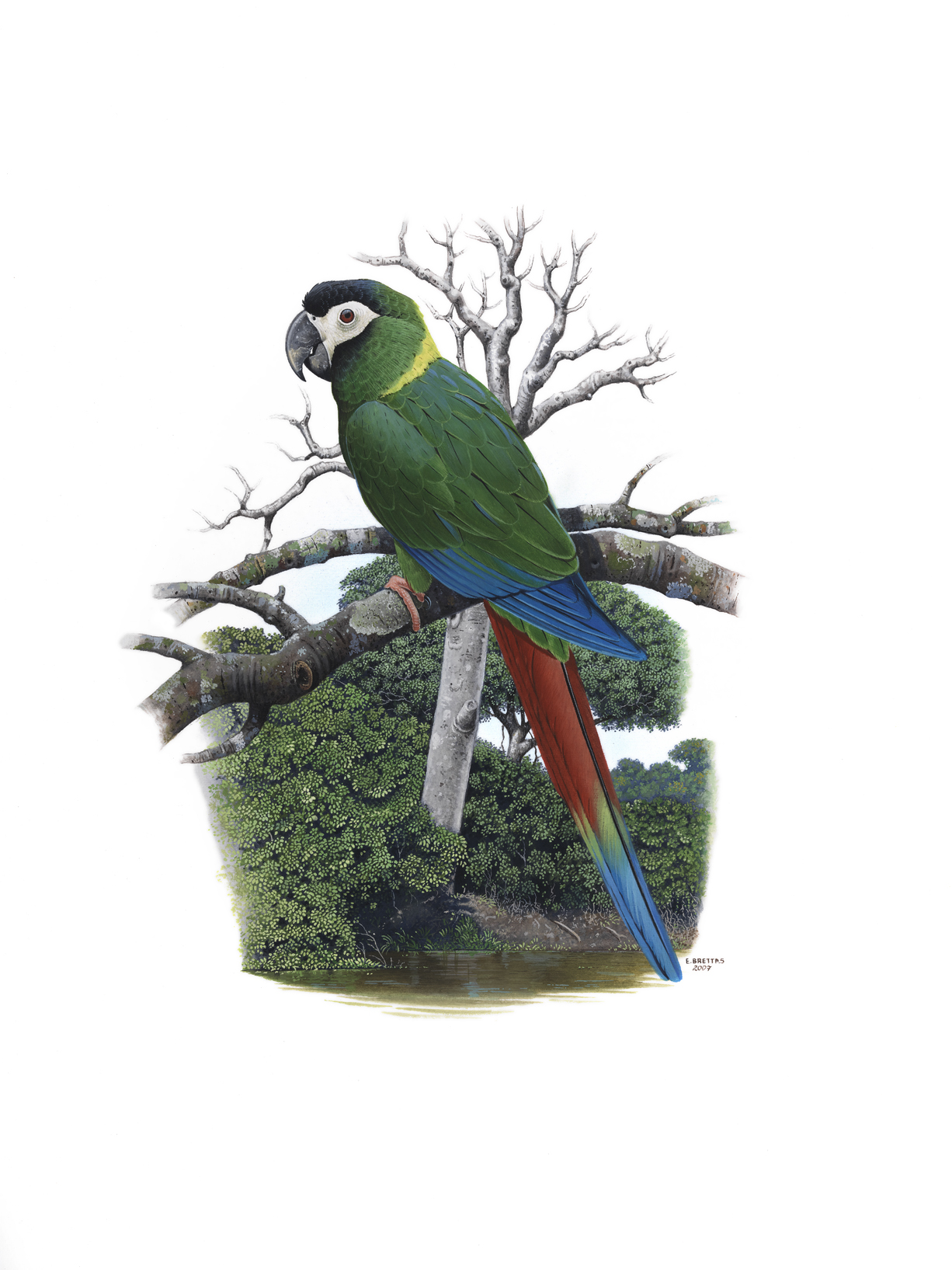
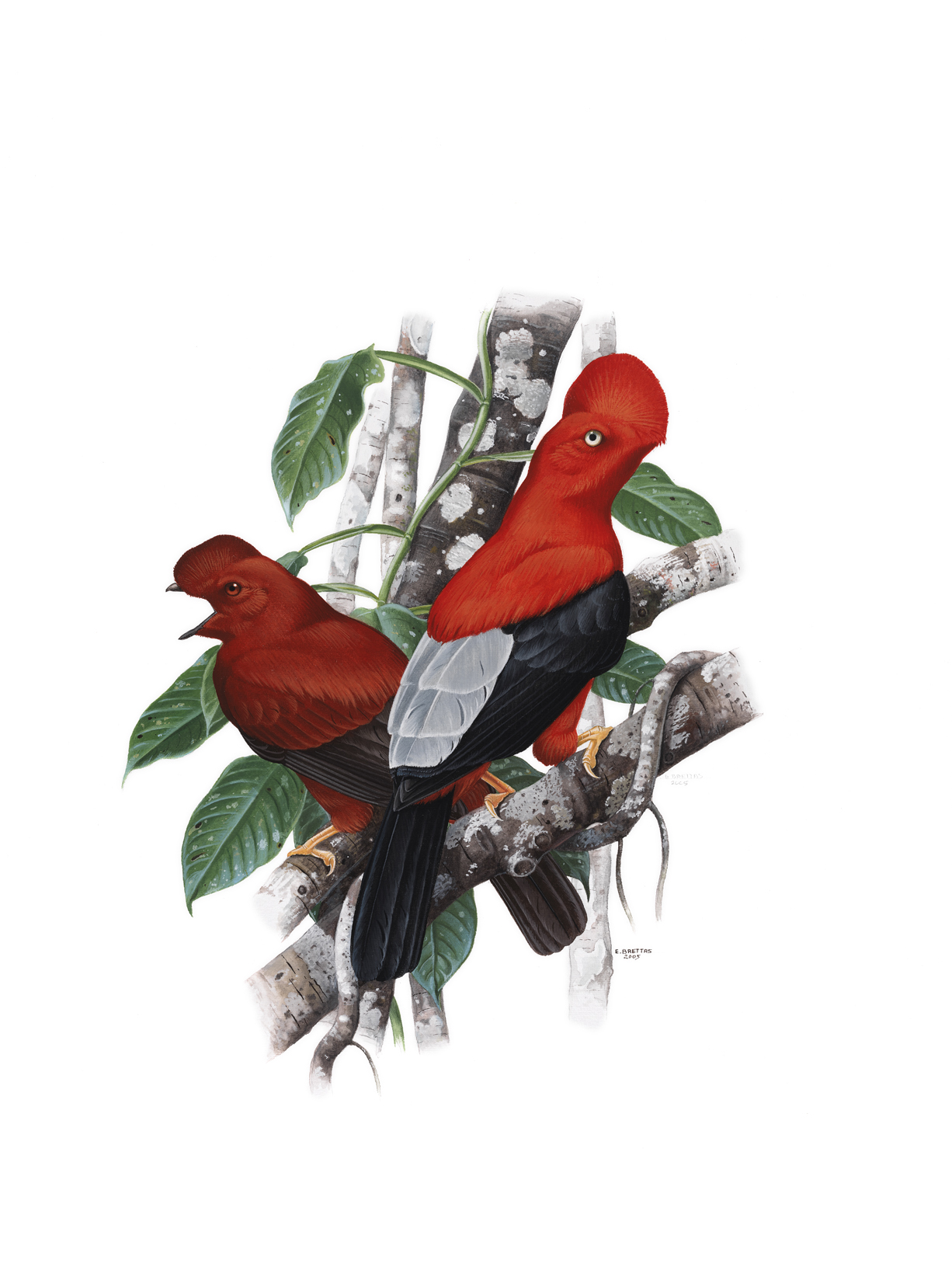
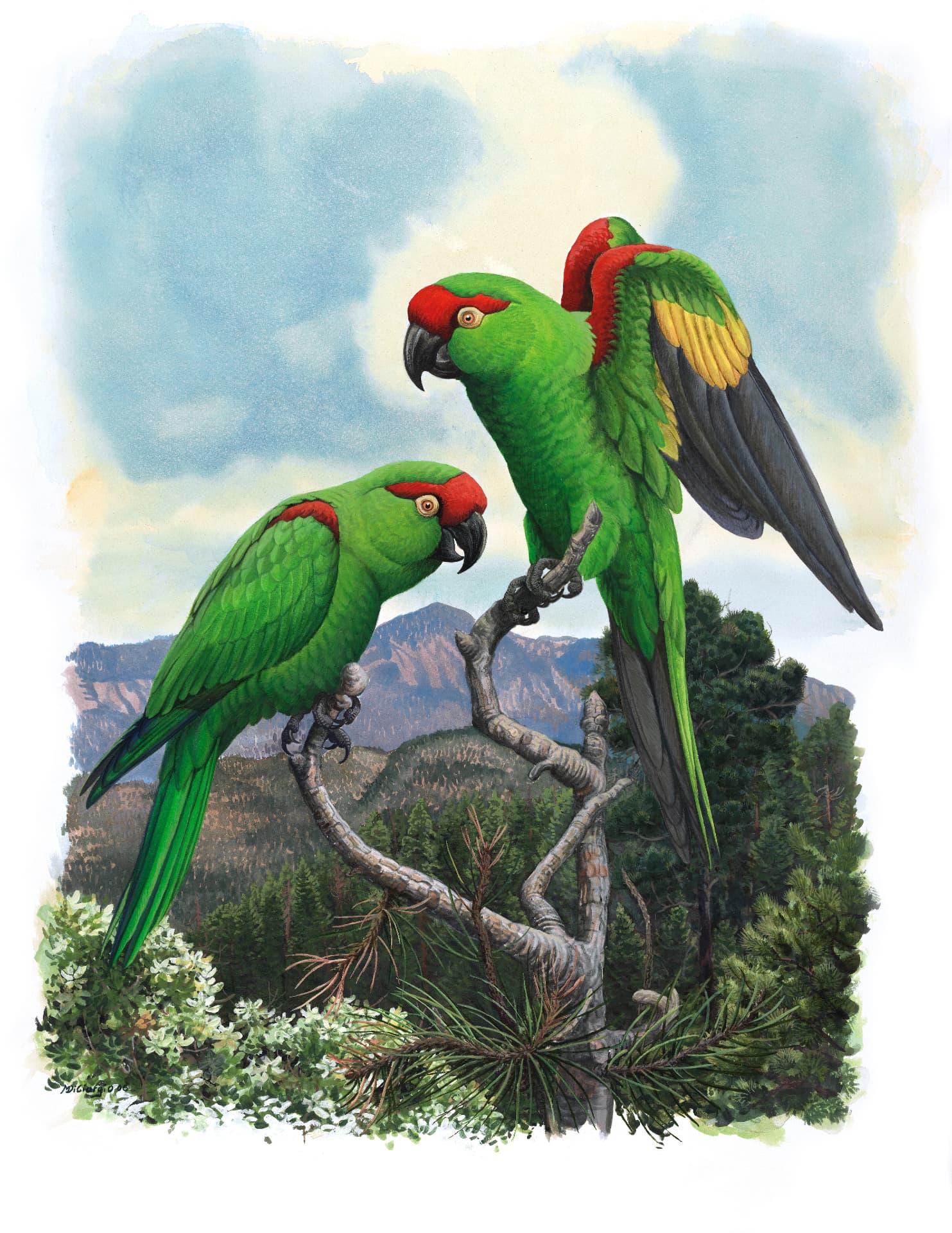
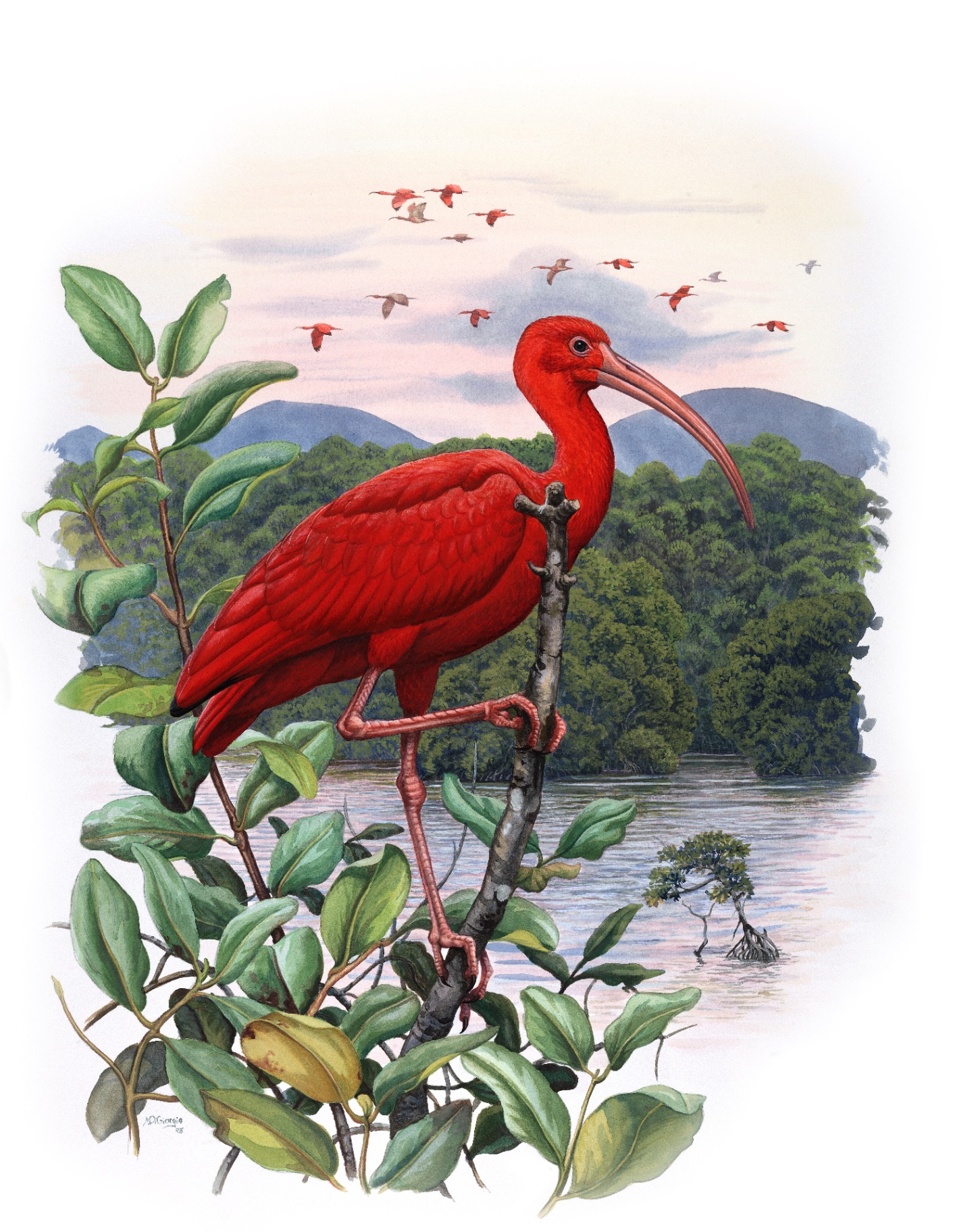
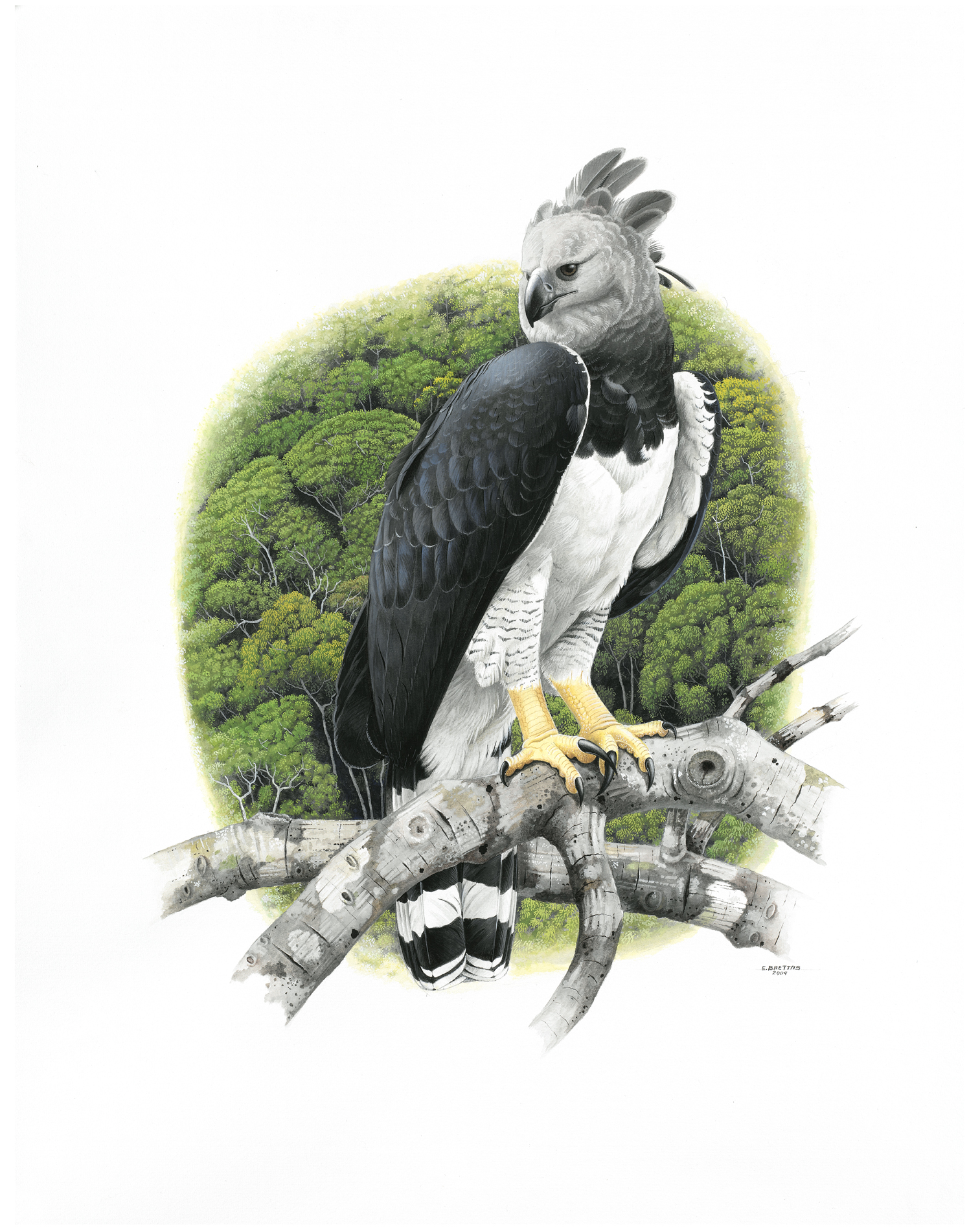
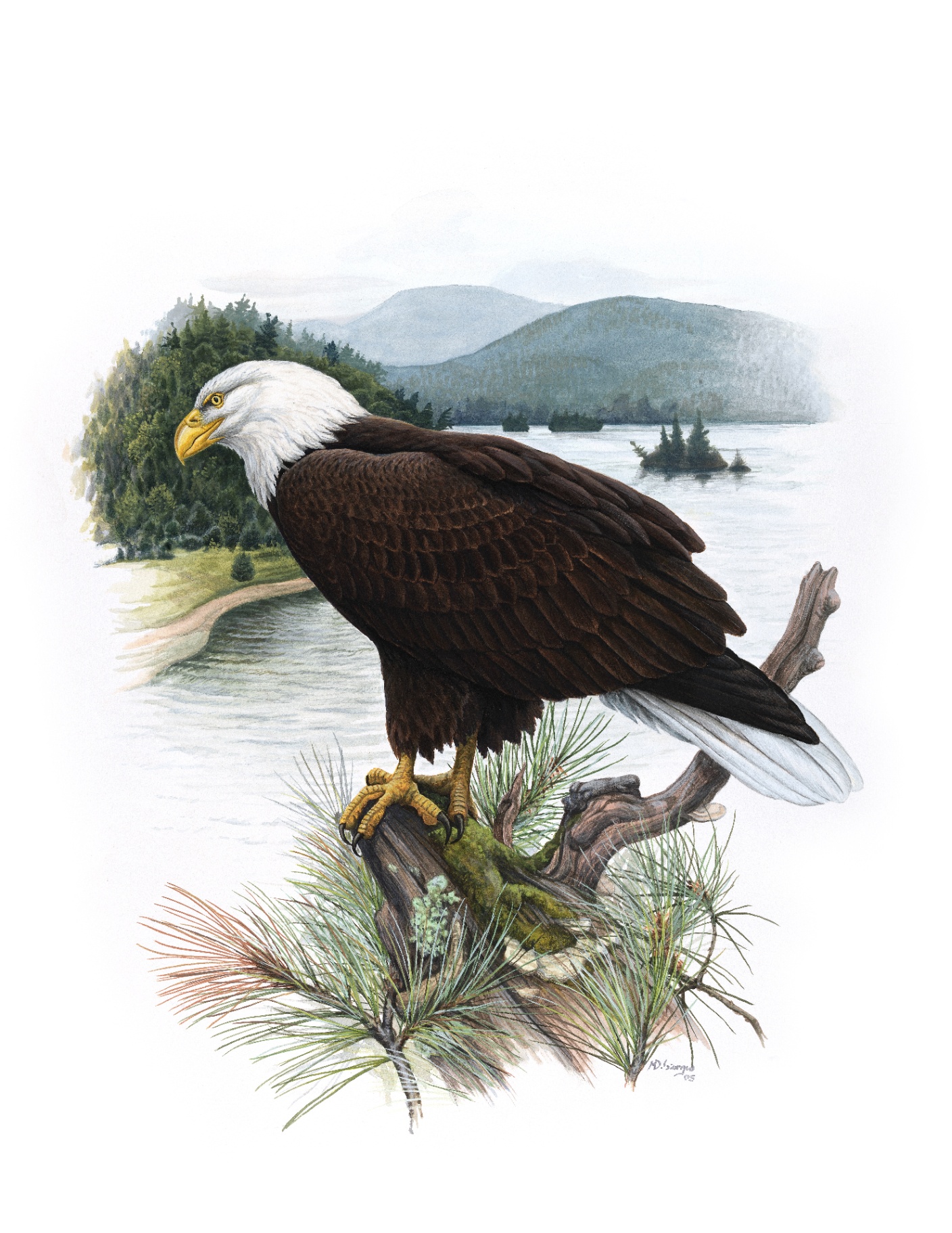
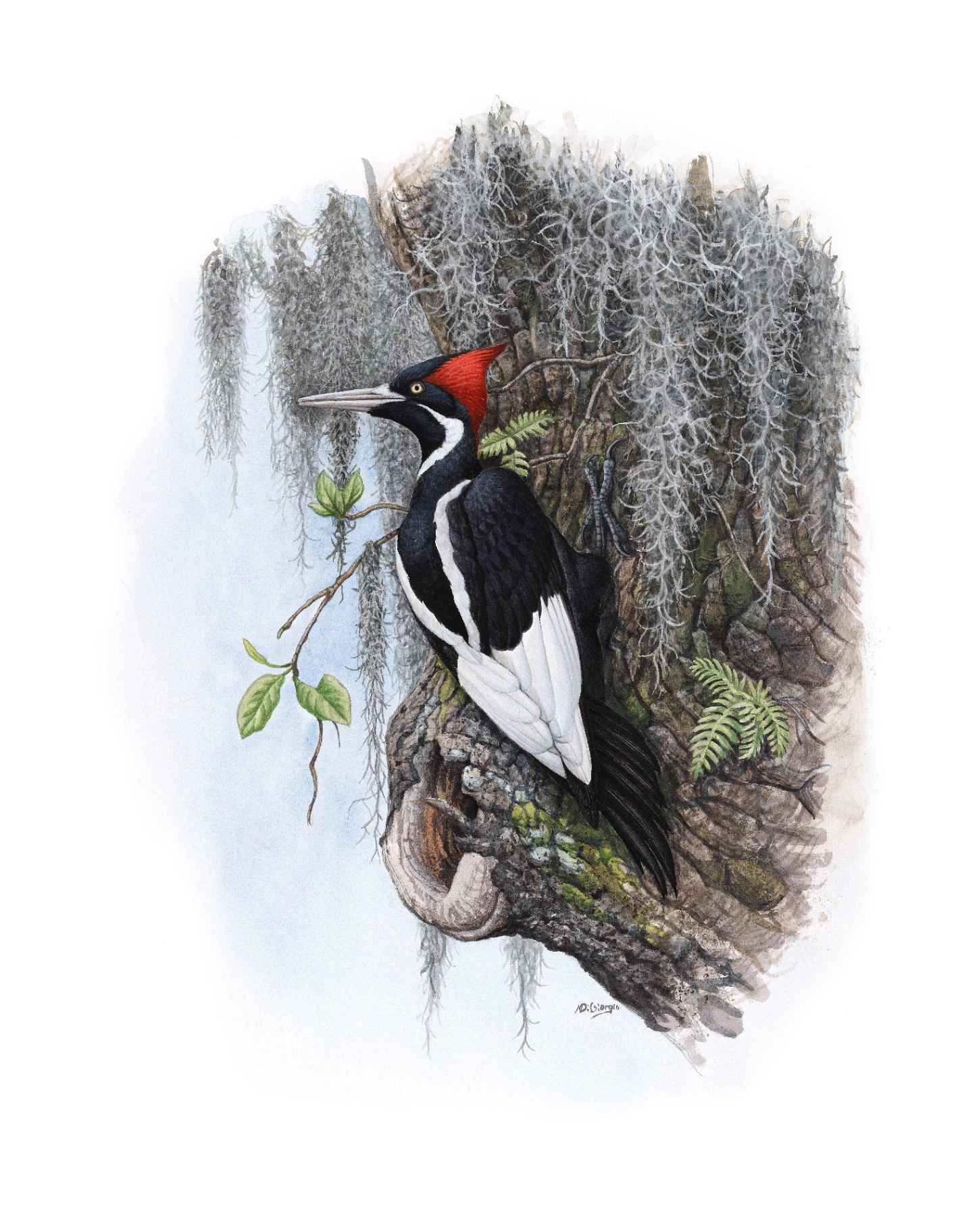
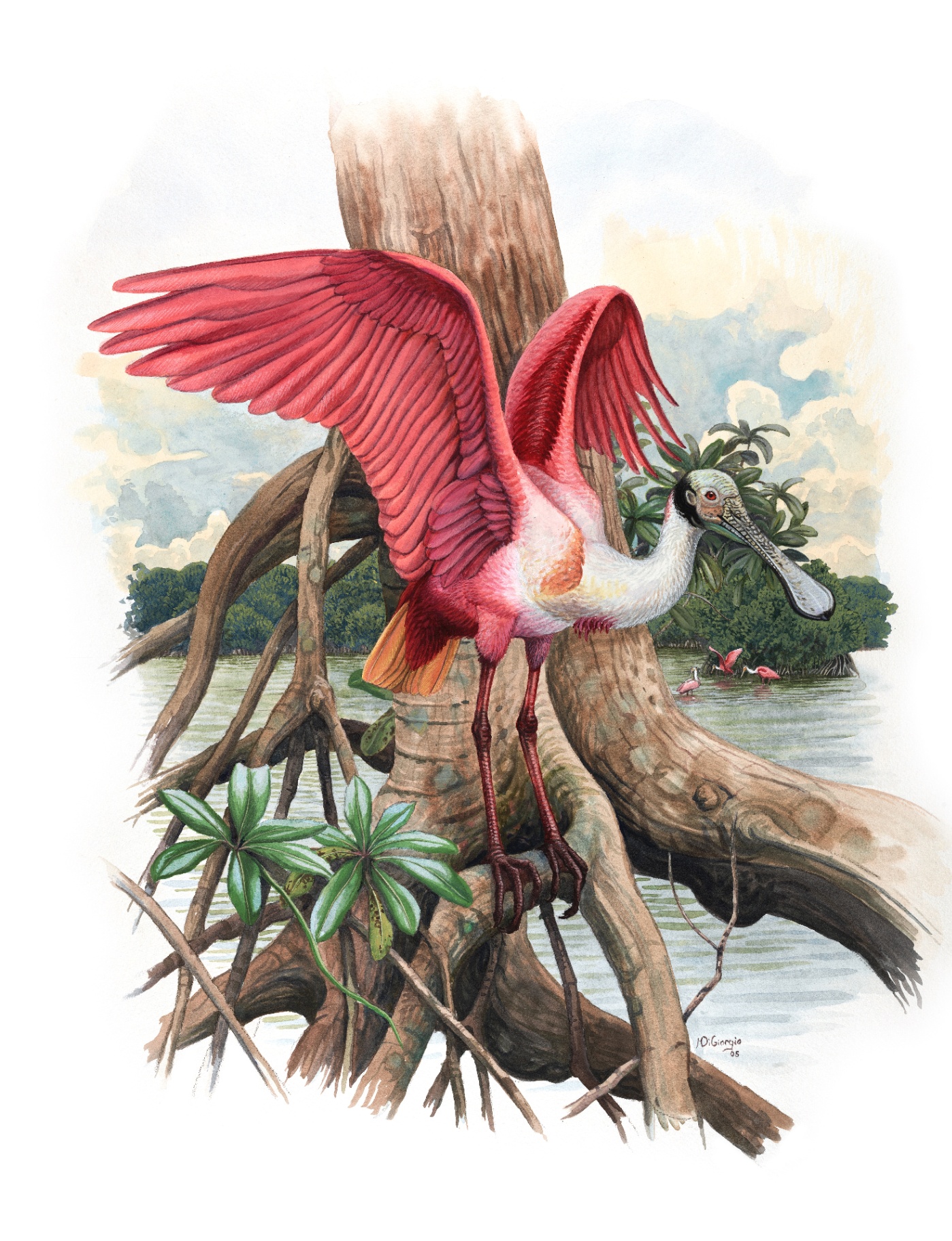
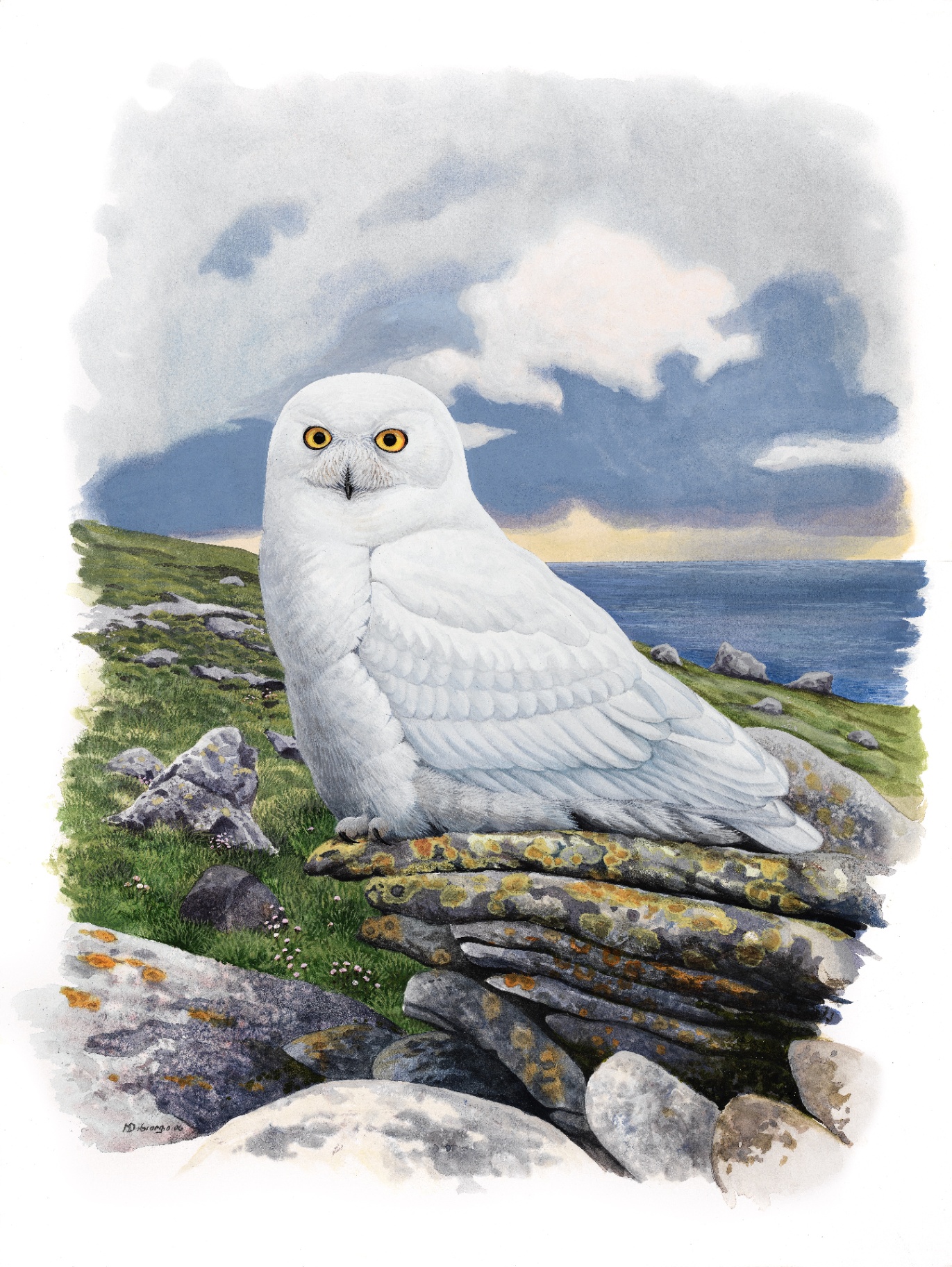
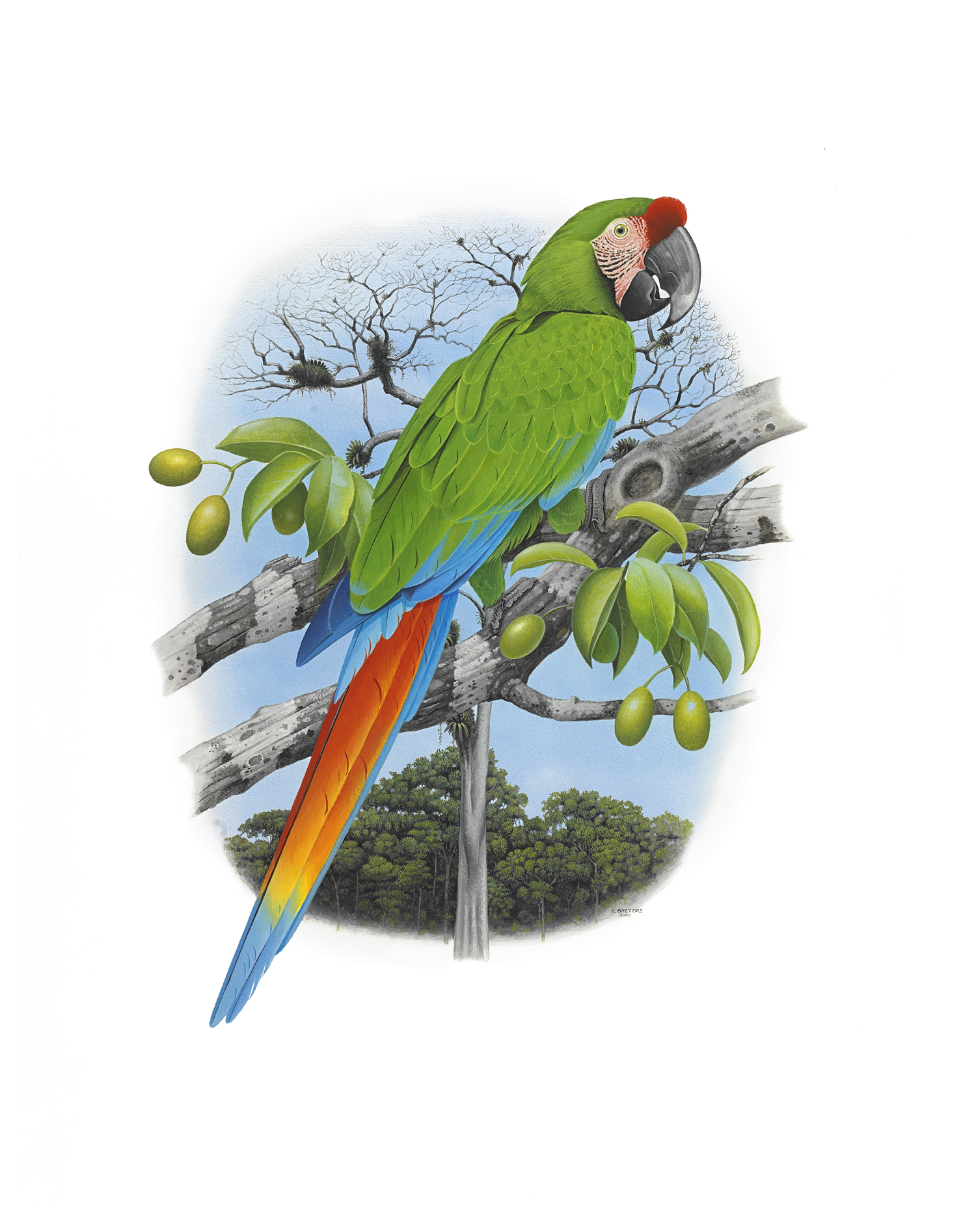
Winged Jewels of the Americas began with 50 watercolors painted by Eduardo Brettas and Michael DiGiorgio between 2004 and 2007. Conceived as a single collection, the works follow birds across the continent, from tropical forests to the Arctic.
In the plates, species from South, Central, and North America follow one another, each with its own color, its own design, its own way of occupying the landscape. What emerges is the birdlife of the Americas from end to end, and with it the meeting of two painters who look at birds in the same way.
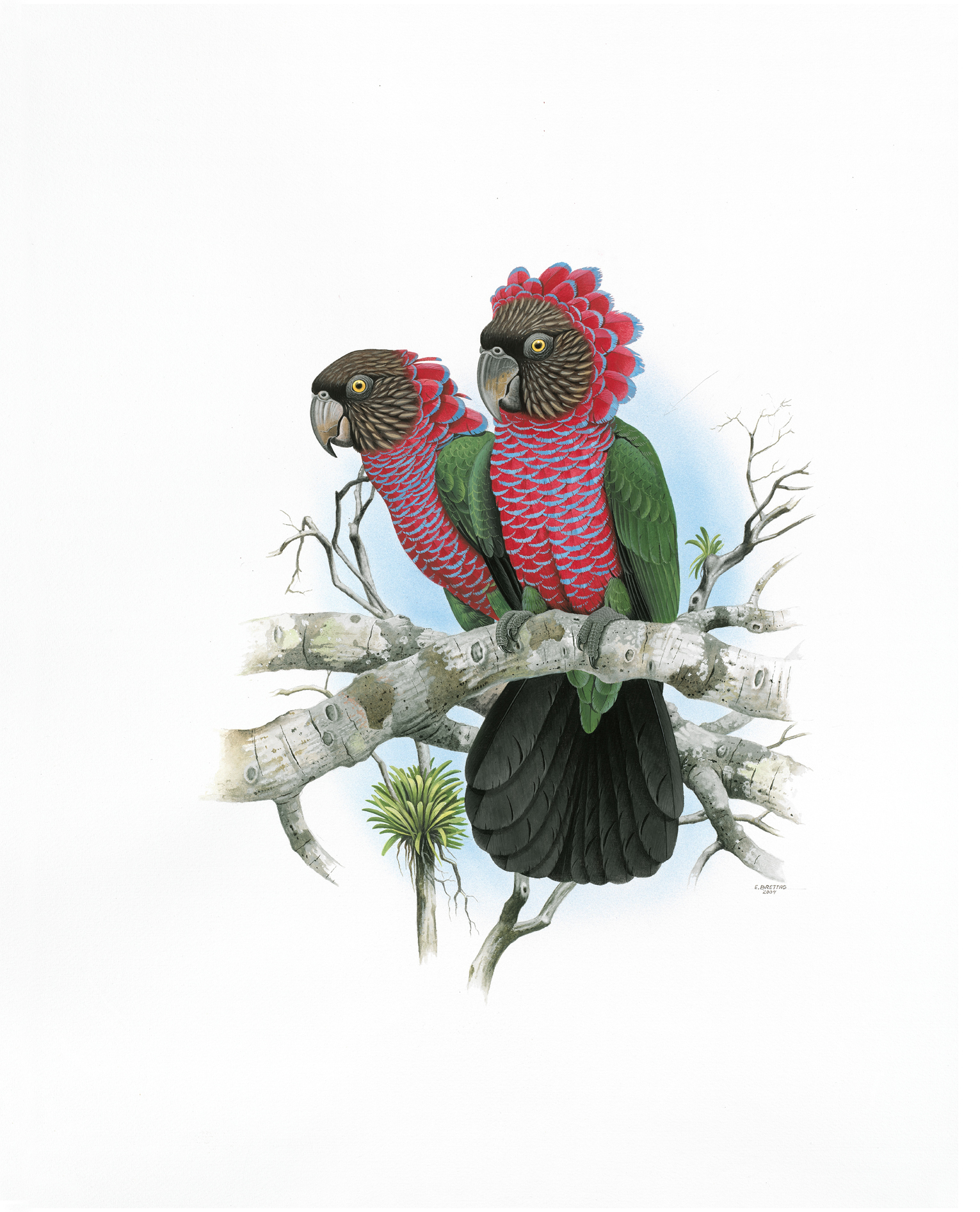
These are watercolors in the natural history tradition, made from observation and ornithological knowledge. Structure, posture, plumage, and expression receive equal care. Each plate carries scientific rigor and the hand of the artist: each species, with its individuality, contributes to the unity of the collection.
Now the collection has its own book. The fifty plates come together for the first time in a large-format art edition, with a clothbound hardcover, dust jacket, and rigid slipcase, made for libraries and collections.
With scientific texts by Luís Fábio Silveira and support from the Museum of Zoology of the University of São Paulo, part of the edition's print run will be allocated to universities, museums, and research institutions.
- Artists
- Eduardo Brettas · Michael DiGiorgio
- Dates
- Original collection, 2004-2007
- Editorial project
Two artists
One continental collection.
Eduardo Brettas and Michael DiGiorgio come from opposite ends of the continent and from a shared tradition. Both have work published in ornithological books and journals in several countries, and each brought to the project the birds he knows at first hand. Brettas painted thirty of the fifty plates, chiefly South American species and a number from Central America. DiGiorgio painted the other twenty, focused on North America with a few forays farther south.
Across the collection the two hands alternate and cross paths without a break, and the continent appears whole, from one end to the other.
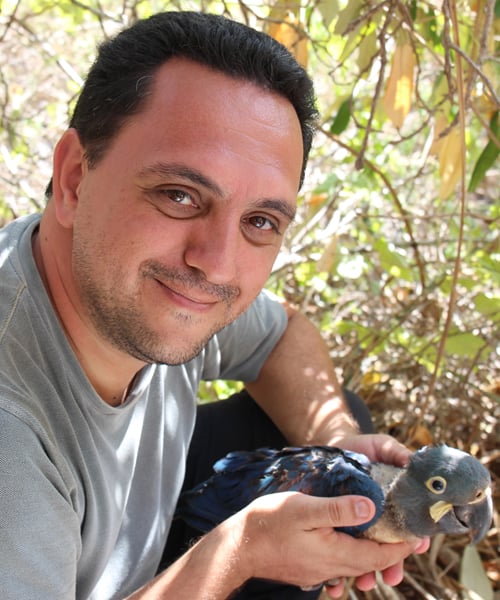
Luís Fábio Silveira
Ornithologist and curator of birds at the Museum of Zoology of the University of São Paulo (MZUSP), Luís Fábio Silveira works with scientific collections, taxonomy, and the conservation of Neotropical birds. He is also director of the institution and takes part in reintroduction programs for threatened species.
A collaborating professor in the Department of Zoology at USP, he has supervised dozens of master's and doctoral students and is the author of more than 160 scientific articles and 17 books. He serves on the Brazilian Committee of Ornithological Records, which maintains the official list of the birds of Brazil, and on the IUCN Galliformes Specialist Group.
In the book, he writes the scientific texts, the result of the partnership with the museum, bringing the watercolors close to zoological research.

Many of the birds portrayed in Winged Jewels of the Americas now live in deeply transformed landscapes. Habitat loss and human pressure already threaten the survival of several of these species.
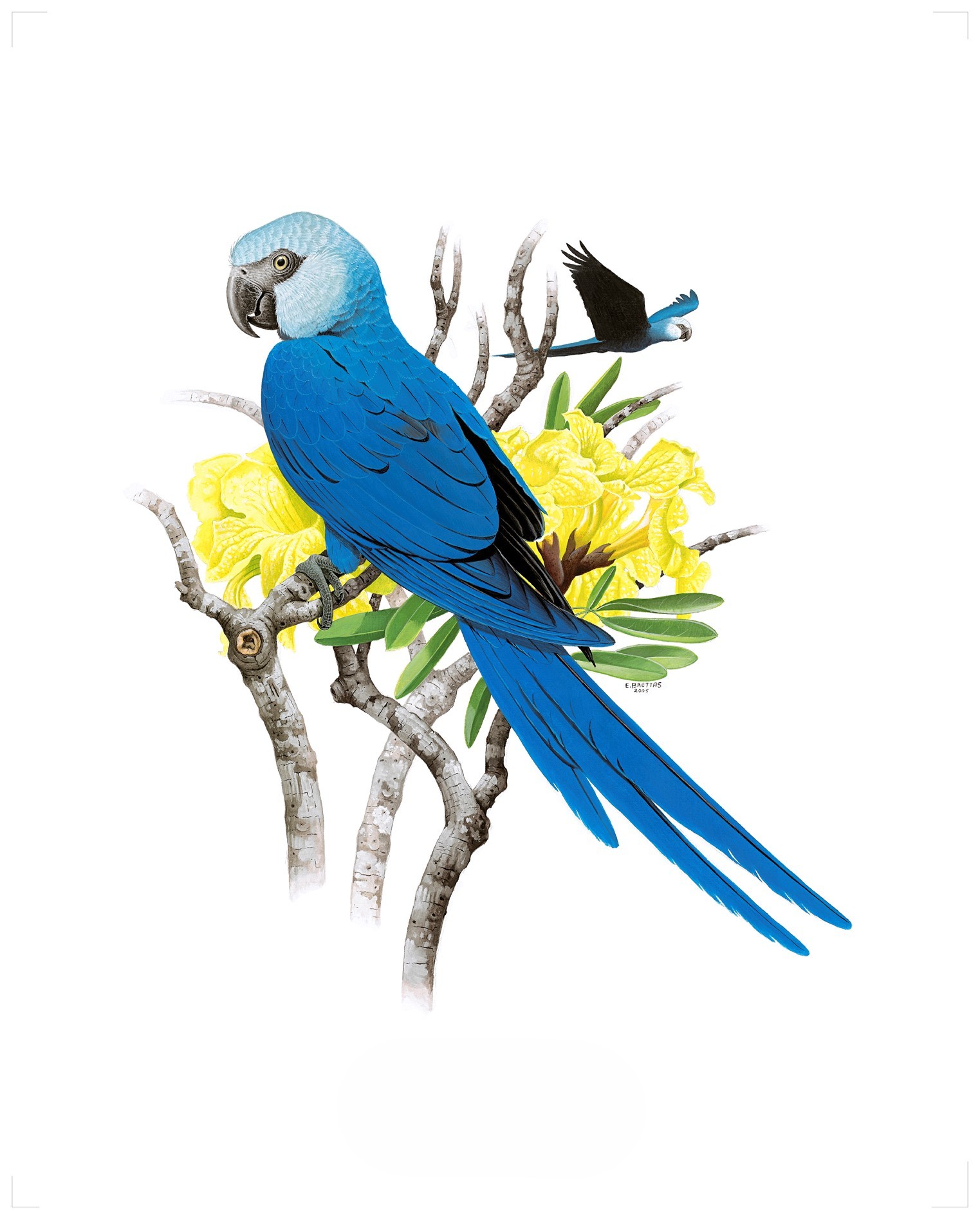
Spix's Macaw (Cyanopsitta spixii) is the most emblematic case. It disappeared from the wild and survived through decades of conservation work, and so it has become a symbol both of the fragility of the birdlife of the Americas and of the possibility of its recovery.
By bringing these species together in a single collection, the project keeps a record of their diversity and draws attention to what can still be protected.
A collection conceived together
The watercolors of Winged Jewels of the Americas were conceived especially for the project. The selection of species, the format of the plates, and their sequence were, from the beginning, part of a defined editorial plan, developed between 2004 and 2007.
This common origin gives unity to the whole. Each painting was made in dialogue with the others, following shared criteria of scale, composition, and visual language. The result is a collection in which the plates keep their individuality and together form a single body of work.
Striking, representative, memorable.
The birds were chosen for their visual distinction and for the range they represent across the continent. Each species was also weighed for its geographic distribution, its ecological and ornithological interest, its importance for conservation, and what it adds to the variety of form, plumage, and habitat across the collection.
The result reads as a continental portrait: macaws and parrots, toucans and barbets, motmots and trogons, woodpeckers, tanagers, wetland birds, cotingas, eagles, owls, cranes, ducks, and gamebirds, from lowland forest to the boreal north.
About the project
Winged Jewels of the Americas is a cultural project approved by Brazil's Ministry of Culture under the Federal Cultural Incentive Law (PRONAC 267470). Download the full project presentation.